
Control & Automation
HMIs Dealers & Distributors in India
Source HMIs from ABB, Delta, Siemens, Schneider Electric, Mitsubishi Electric, Panasonic and Yaskawa. Choose a brand below, or send your part numbers for a quotation.
- Part-number enquiries
- Replacement & obsolete parts
- Multi-line BOM quotes
- Pan-India supply from Chennai
Choose a manufacturer
HMIs by brand
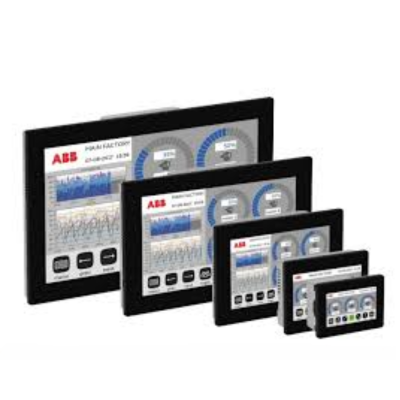
ABB HMIs
View range & models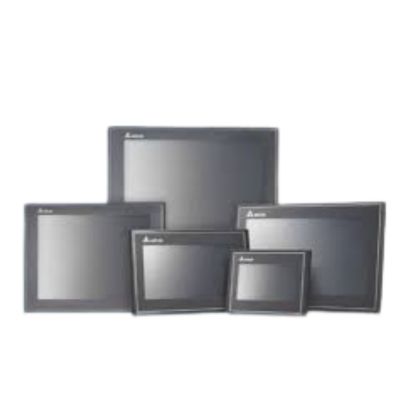
Delta HMIs
View range & models
Siemens HMIs
View range & models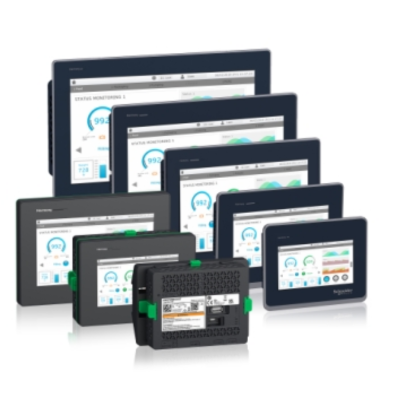
Schneider HMIs
View range & models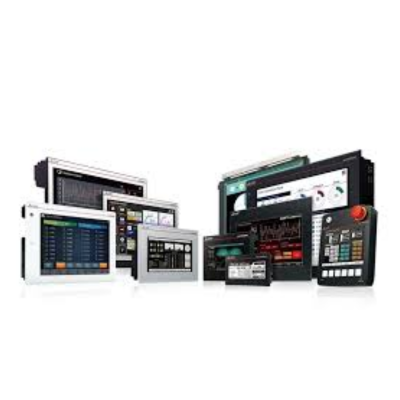
Mitsubishi HMIs
View range & models
Panasonic HMIs
View range & models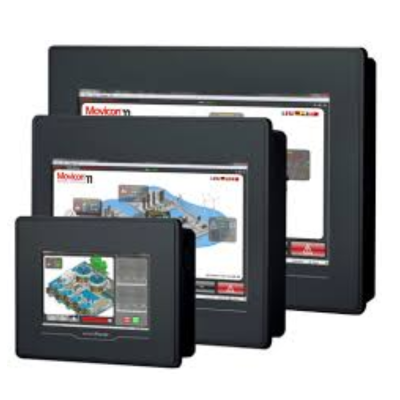
Yaskawa HMIs
View range & modelsBrand names identify products only and do not imply an authorised appointment by the manufacturer.
A Human-Machine Interface (HMI) is a user interface or dashboard that connects a person to a machine, system, or device. While the term can technically be applied to any screen that allows a user to interact with a device, HMI is most commonly used in the context of an industrial process.
HMIs are similar in some ways to Graphical User Interfaces (GUI) but they are not synonymous GUIs are often leveraged within HMIs for visualization capabilities. In industrial settings, HMIs can be used to:
Visually display data, Track production time, trends, and tags, Oversee KPIs, Monitor machine inputs and outputs And more
Similar to how you would interact with your air-conditioning system to check and control the temperature in your house, a plant-floor operator might use an HMI to check and control the temperature of an industrial water tank, or to see if a certain pump in the facility is currently running.
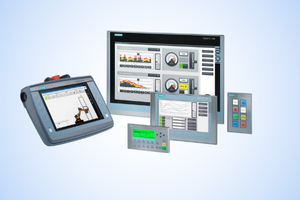
Basic HMI examples include built-in screens on machines, computer monitors, and tablets, but regardless of their format or which term you use to refer to them, their purpose is to provide insight into mechanical performance and progress.
- Who Uses HMI?
- HMI technology is used by almost all industrial organizations, as well as a wide range of other companies, to interact with their machines and optimize their industrial processes.
- The most common roles that interact with HMIs are operators, system integrators, and engineers, particularly control system engineers. HMIs are essential resources for these professionals, who use them to review and monitor processes, diagnose problems, and visualize data.
- Common Uses of HMI
- HMIs communicate with Programmable Logic Controllers (PLCs) and input/output sensors to get and display information for users to view. HMI screens can be used for a single function, like monitoring and tracking, or for performing more sophisticated operations, like switching machines off or increasing production speed, depending on how they are implemented.
- HMIs are used to optimize an industrial process by digitizing and centralizing data for a viewer. By leveraging HMI, operators can see important information displayed in graphs, charts, or digital dashboards, view and manage alarms, and connect with SCADA, ERP, and MES systems, all through one console.
- Previously, operators would need to walk the floor constantly to review mechanical progress and record it on a piece of paper or a whiteboard. By allowing PLCs to communicate real-time information straight to an HMI display, HMI technology eliminates the need for this outdated practice and thereby reduces many costly problems caused by lack of information or human error.
Next step
Quote for HMIs
Send part numbers or a BOM — single items or full project lists.